
Fiat Panis
Experiences from past Students
2025: Philomina Asibu in Ghana and Senegal
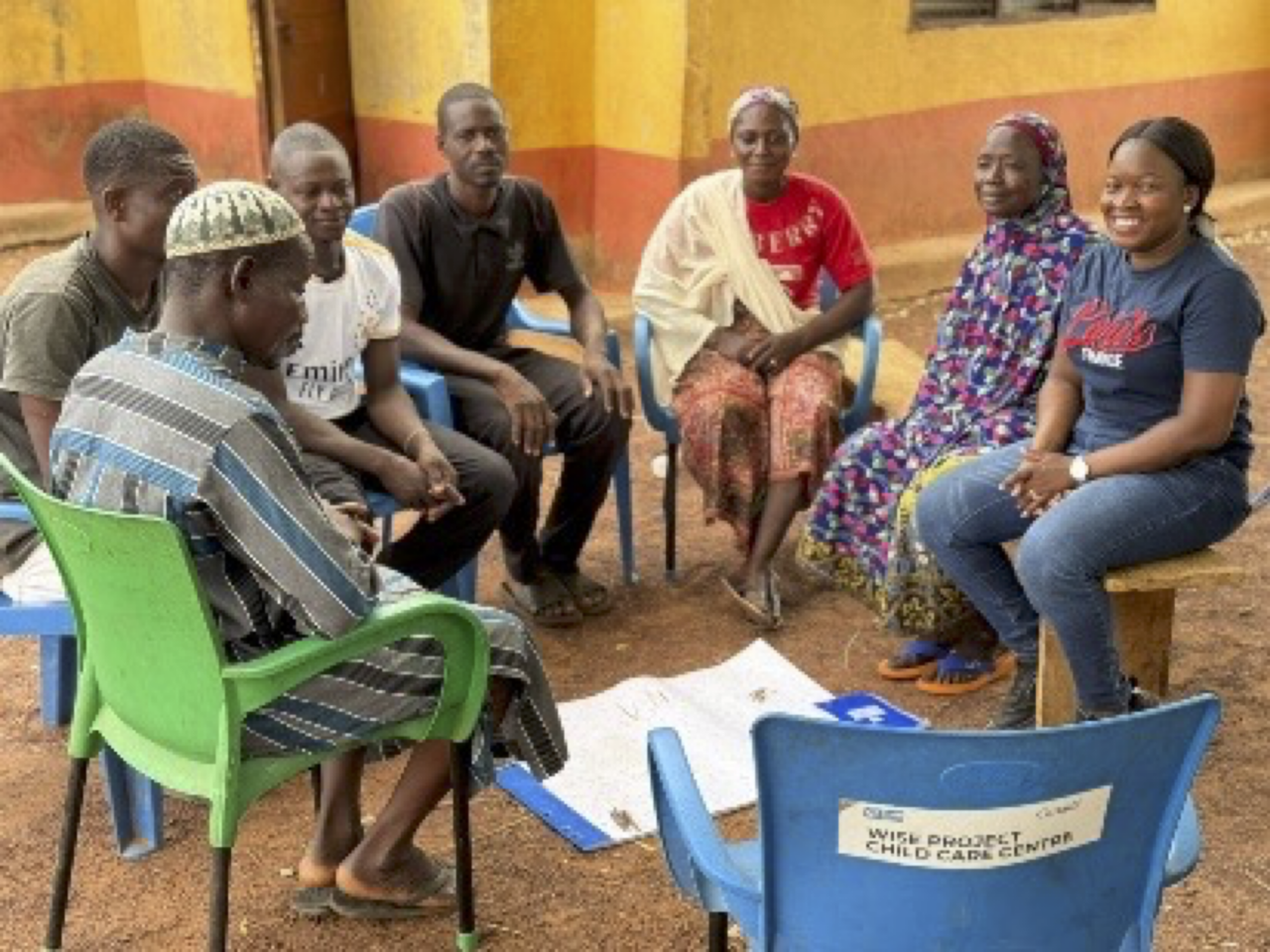
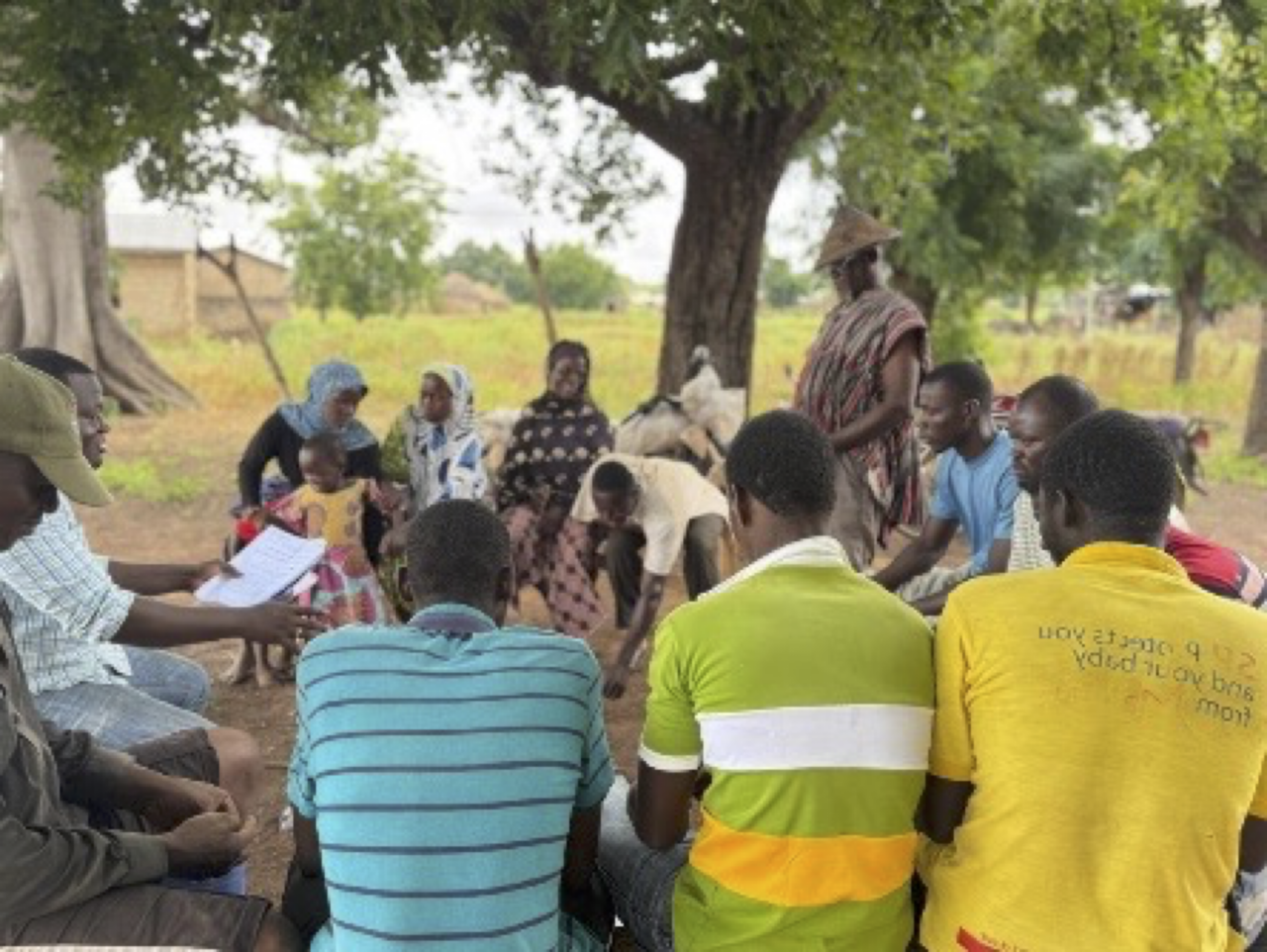
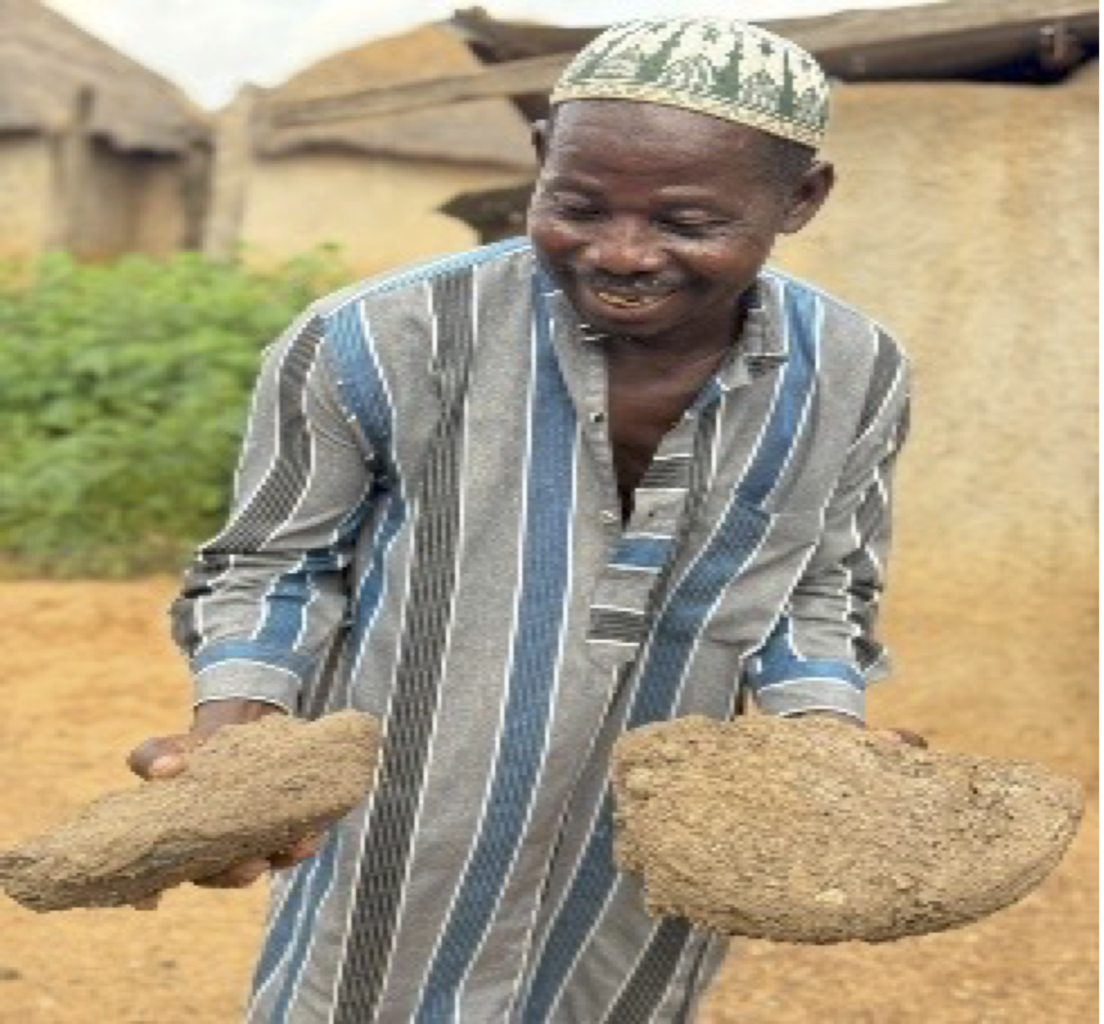
Philomina Asibu conducted her research in Ghana and Senegal, focusing on the role of advisory and innovation support services in strengthening sustainable agricultural innovation processes in West Africa. Her work examined case studies with a particular emphasis on smallholder farming systems in climate vulnerable regions.
The study analyzed how different types of Innovation Support Services, including advisory, training, financial, and organizational support, contribute to the adoption of sustainable intensification practices such as Integrated Soil Fertility Management and the System of Rice Intensification. By mapping and characterizing these services, the research explored their impact on key dimensions of food security, including food availability, access, utilization, and stability.
Her findings highlight that well coordinated support services can significantly improve agricultural productivity, soil health, and household resilience. In particular, initiatives such as village savings and loan associations and women led processing activities were shown to strengthen economic stability and enhance nutrition outcomes. At the same time, the study identified structural challenges, including limited access to resources, gender related barriers, and declining support over time, which can hinder long term impacts.
The research contributes to a better understanding of how agricultural innovation systems can be designed to support sustainable development and food security in Sub Saharan Africa. The field based components of this work were supported through the Fiat Panis grant, enabling direct engagement with development oriented research in Ghana and Senegal.
2025: Elizabeth Gill in the Andean Highlands, Peru
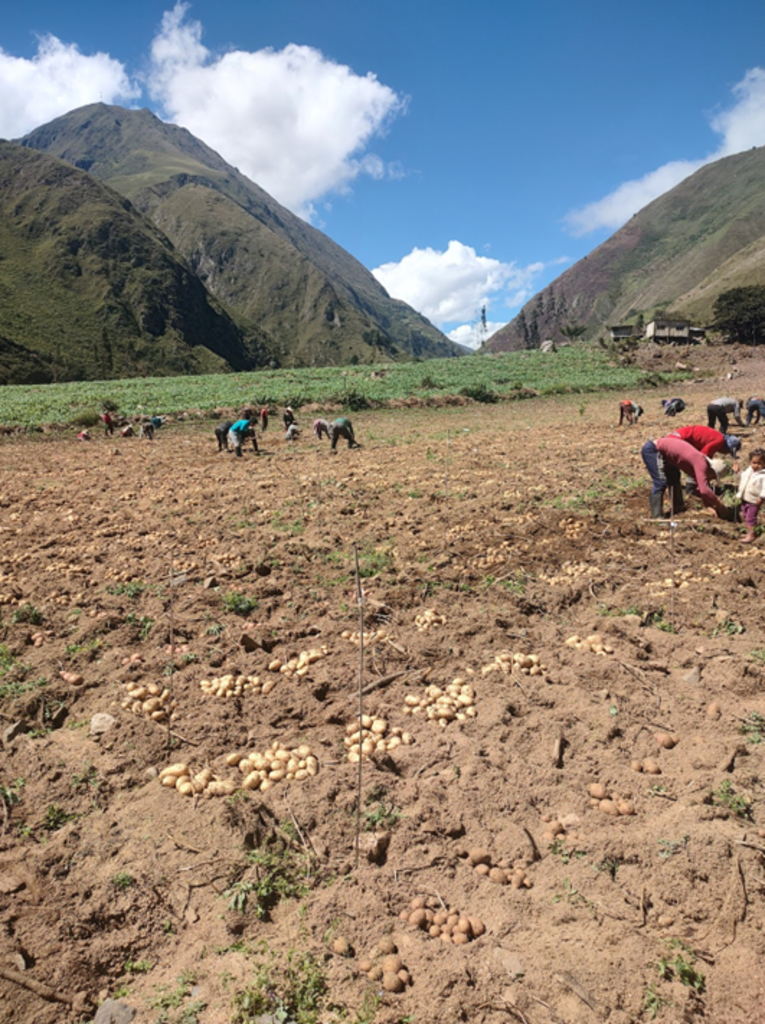
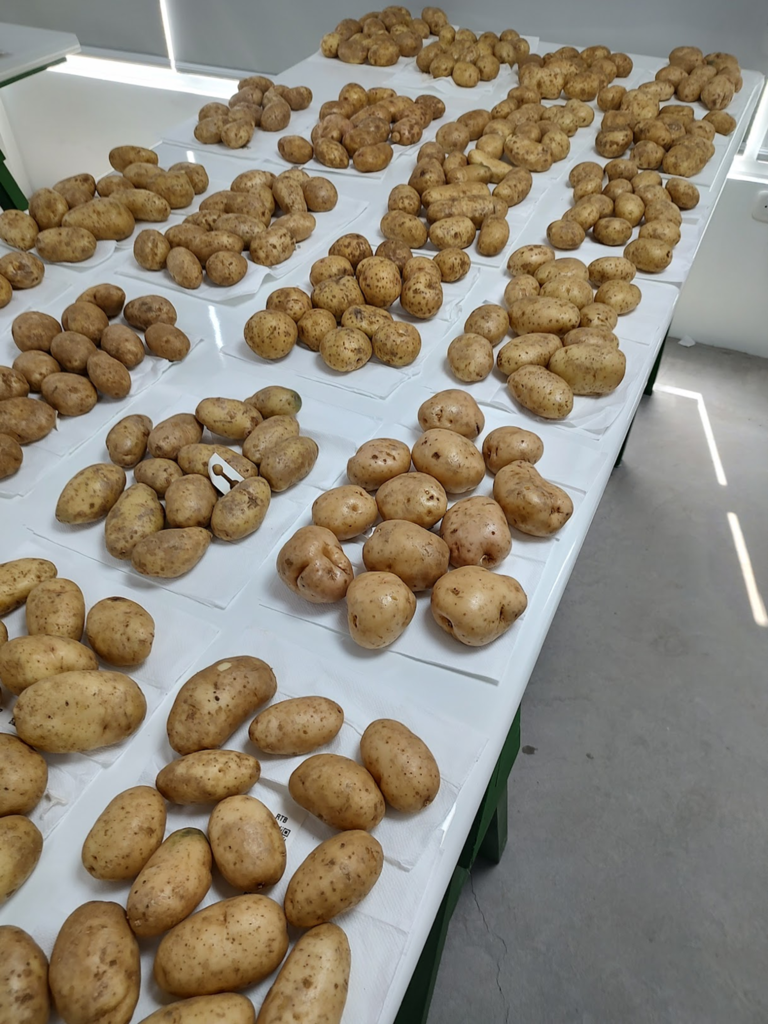
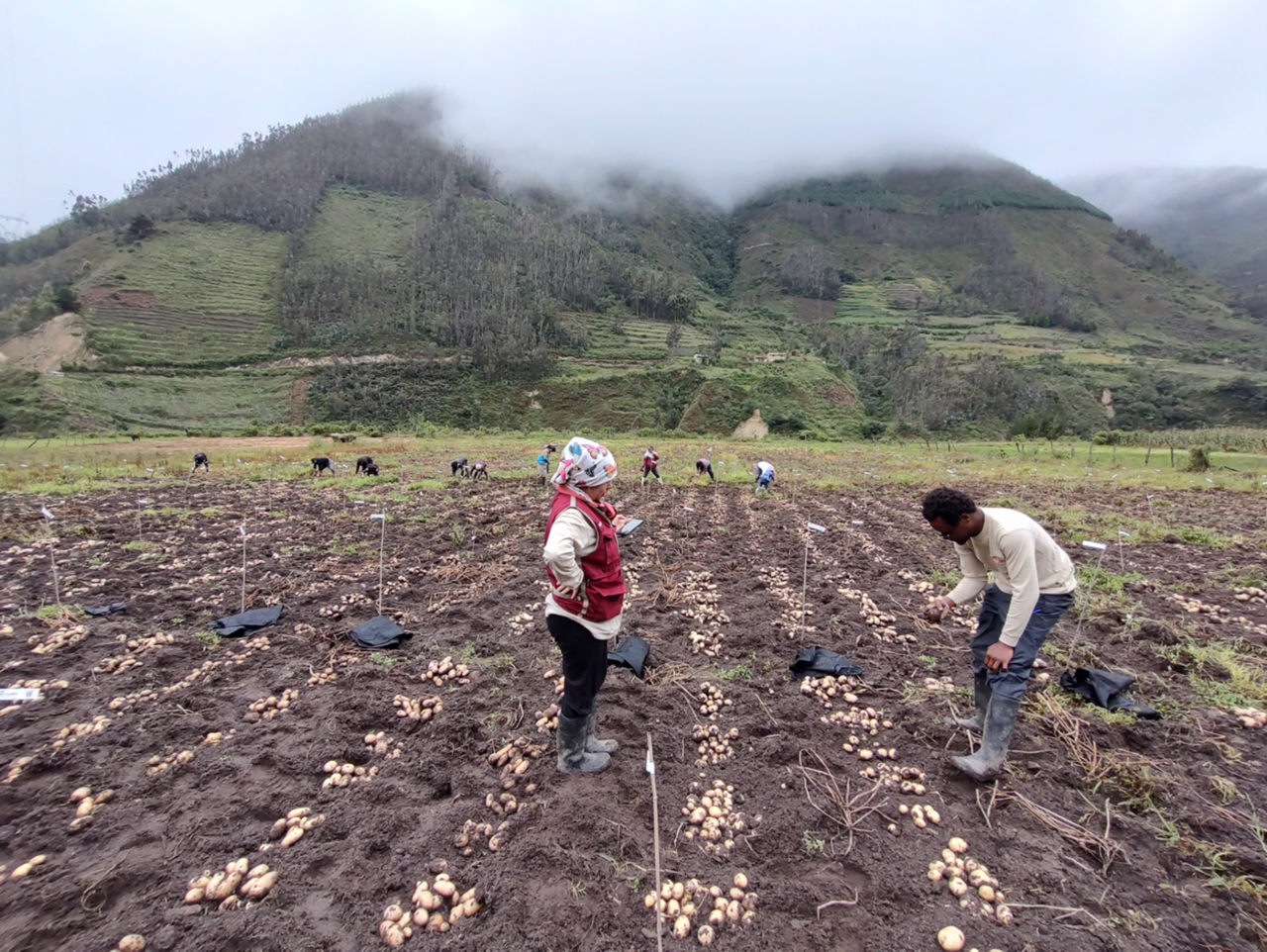
Elizabeth conducted her Master’s thesis in Peru in collaboration with the International Potato Center (CIP), focusing on how genomic prediction can accelerate potato breeding for the Andean highlands. Her research addressed the need for potato varieties that combine high performance with resistance to challenging conditions, particularly late blight, an important disease affecting potato production in the region.
The study evaluated 2,002 potato clones across five environments during the 2024–2025 growing season. Using genomic information and a sparse testing design, Elizabeth investigated whether breeders could reliably predict the performance of potato clones while reducing the amount of field testing required. Six important breeding traits were considered, including late blight resistance, tuber yield, dry matter content, appearance, size and uniformity.
Her results showed that genomic prediction can effectively support early-stage selection, particularly for traits with strong genetic control. The approach made it possible to reduce field-testing requirements while maintaining useful levels of prediction accuracy. The optimized models also identified 200 promising clones combining improvements across several breeding objectives.
The research contributes to the development of more efficient potato breeding programs and could help improved, resilient varieties reach farmers more quickly. By supporting field research in Peru, the Fiat Panis grant enabled Elizabeth to work with breeding trials under real production conditions and contribute to research relevant to smallholder farming and food security in the Andean region.
2025: Shu-Wei Chow in Rwanda
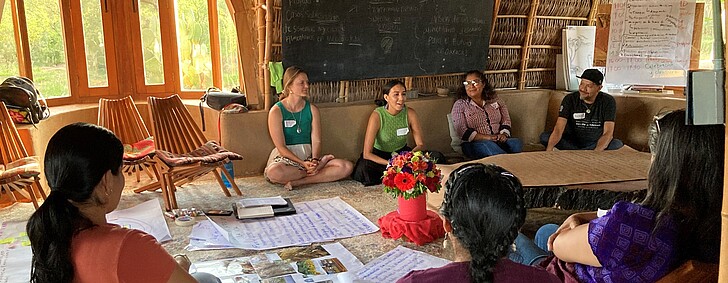
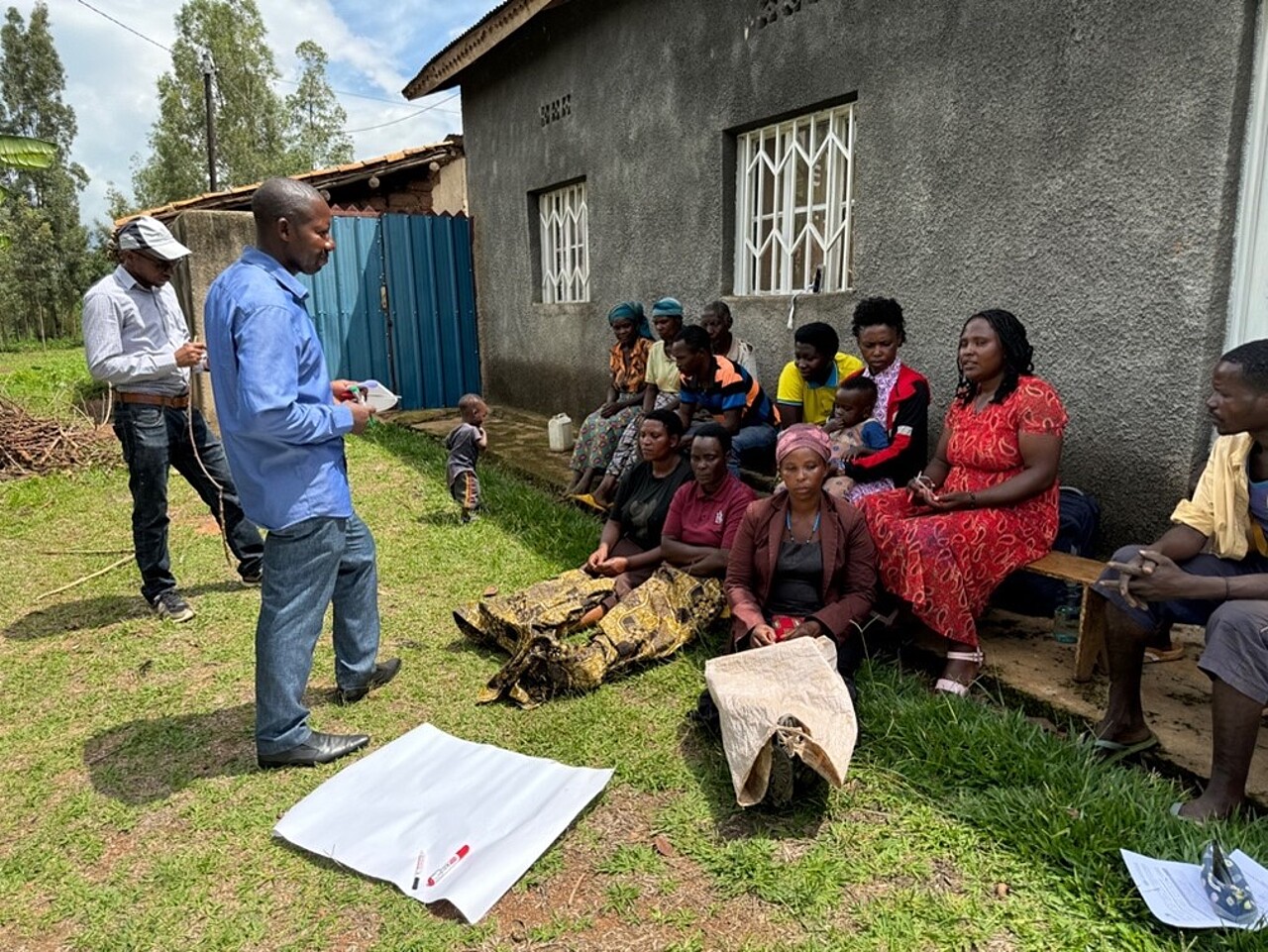
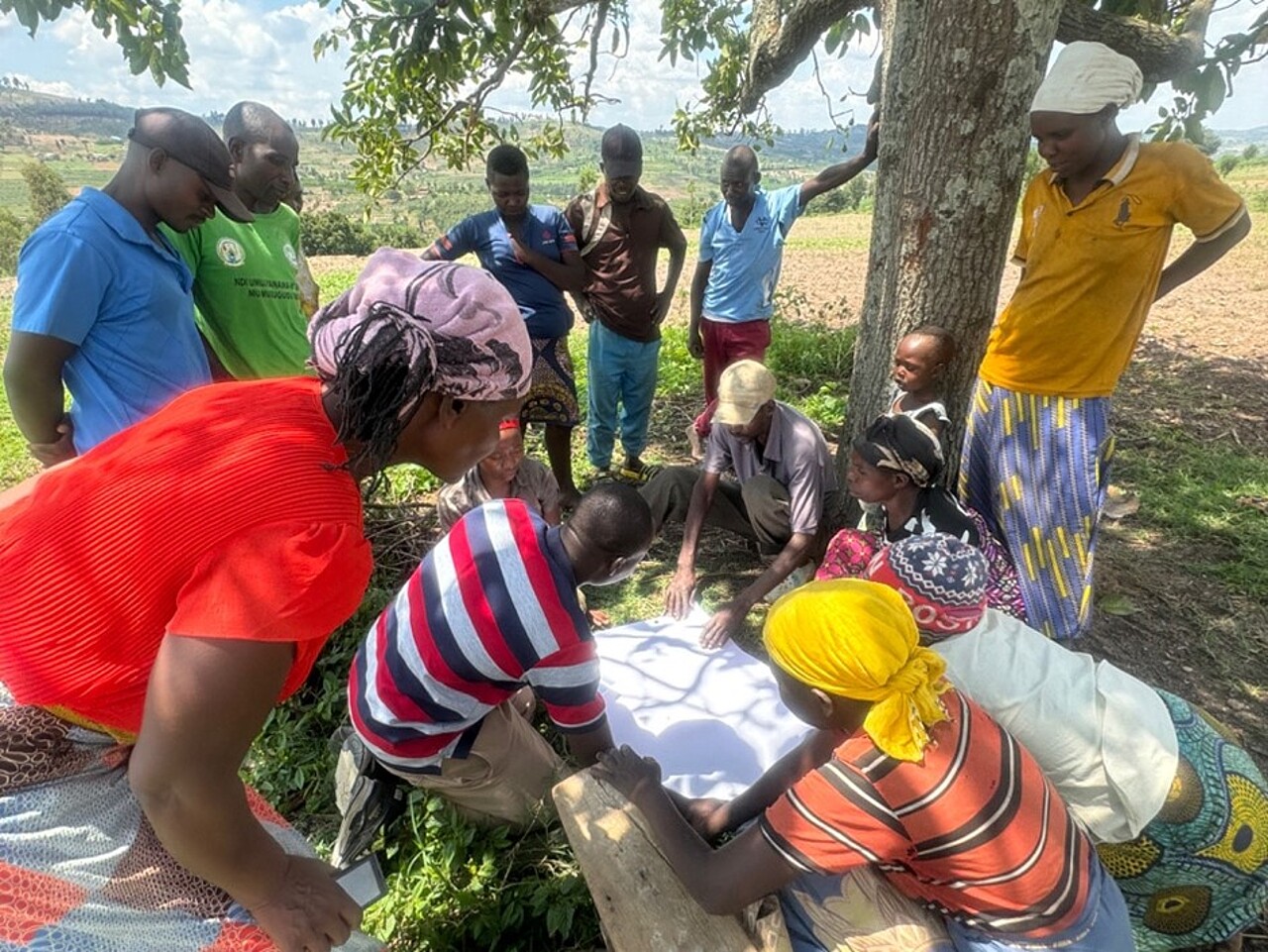
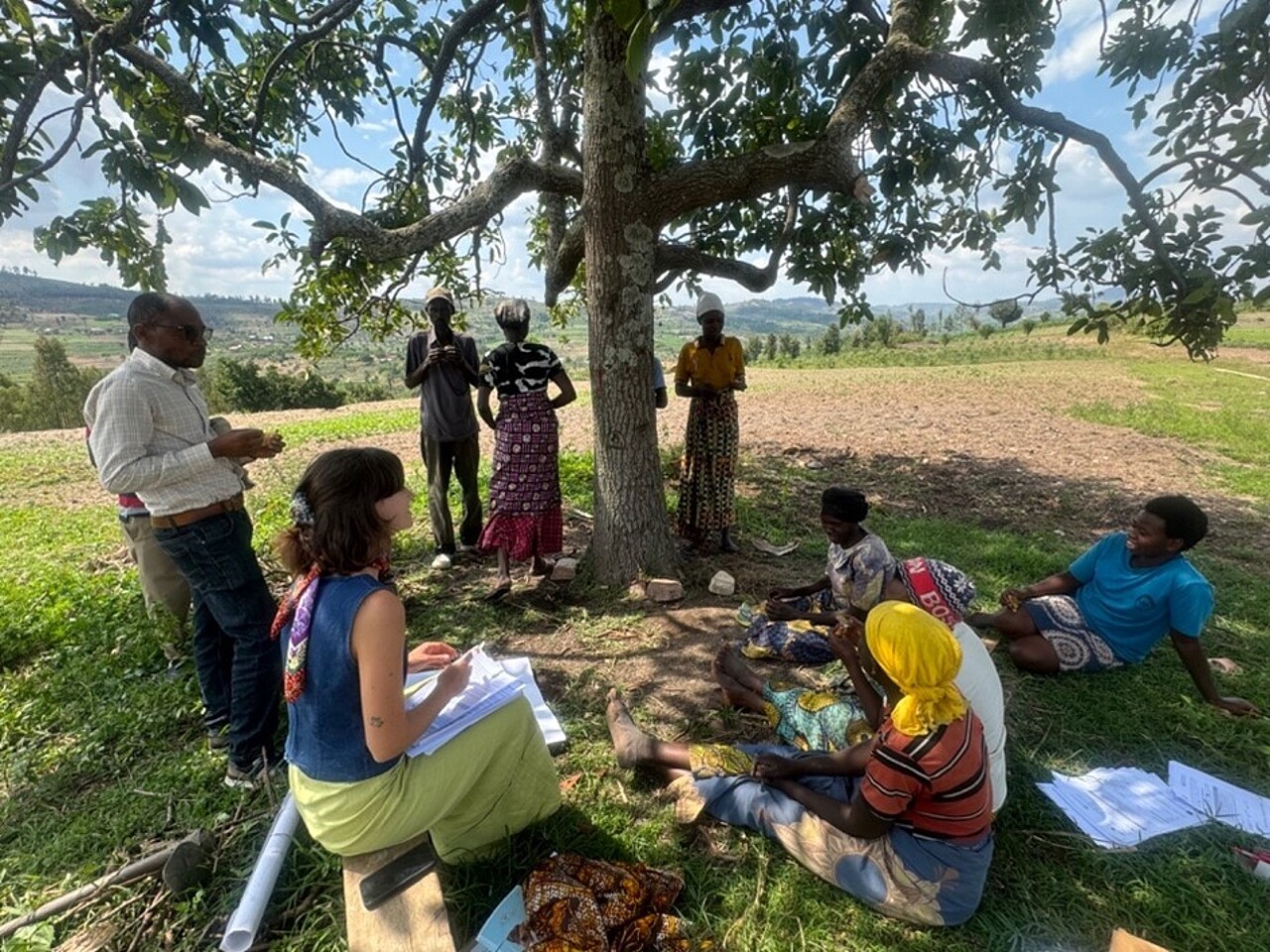
Shu-Wei conducted their Master’s thesis in Rwanda, focusing on how agricultural advisory services can support agroecological transitions. The research explored how farmers receive information and training, which advisory methods are currently used, and which of them are most suitable for promoting agroecological practices in the Rwandan context.
The study applied a mixed-method approach, combining focus group discussions with farmers, interviews with advisors and key informants, and a literature review. Fieldwork was carried out in different sectors, where farmers discussed their experiences, exchanged ideas, and reflected on what an ideal agroecological farm could look like. This approach made it possible to better understand both the practical needs of farmers and the perspectives of advisory actors.
The findings showed that farmers strongly value participatory and interactive advisory approaches, especially group advisory, farmer-to-farmer learning, and demonstrations. These methods encourage knowledge exchange and co-creation, which are central principles of agroecology. The research also highlighted the role of digital tools such as SMS, radio, Interactive Voice Response (IVR), USSD, and videos, which can complement advisory services and help share timely information with farmers.
At the same time, the study identified challenges such as limited digital knowledge and the top-down design of advisory content. The results suggest that advisory services should be embedded more strongly within farmer groups and shaped together with farmers in order to respond to local realities. By supporting this field research in Rwanda, the Fiat Panis grant contributed to work that strengthens sustainable farming practices, farmer participation, and knowledge exchange for agroecological transformation.
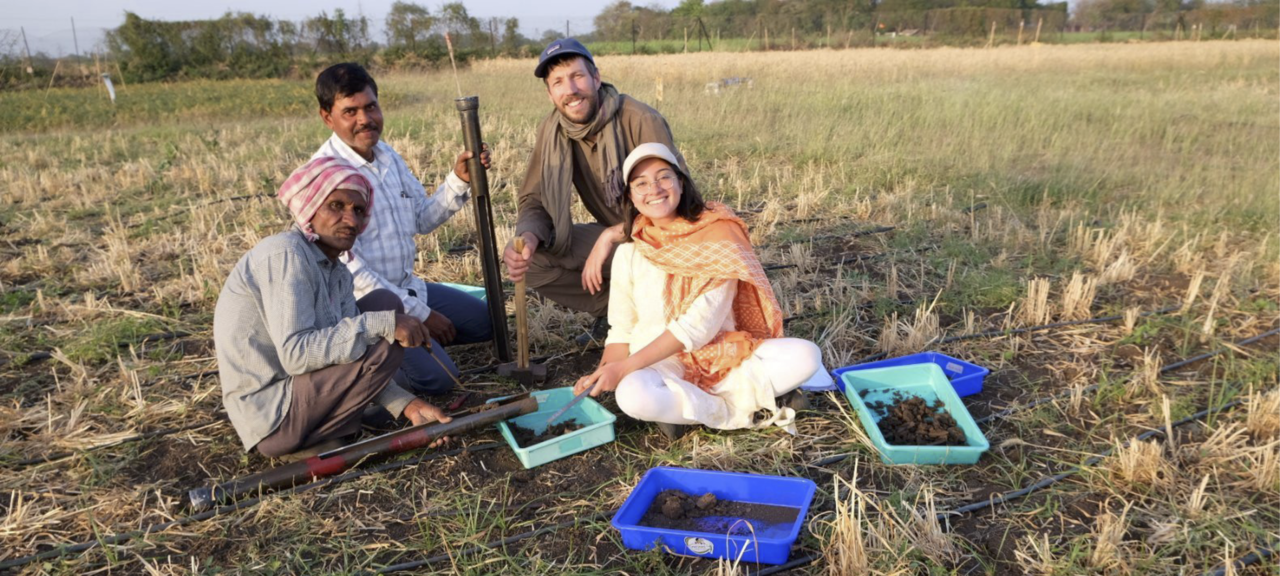
2024: Namya Mathur in Kasrawad, Madhya Pradesh, India
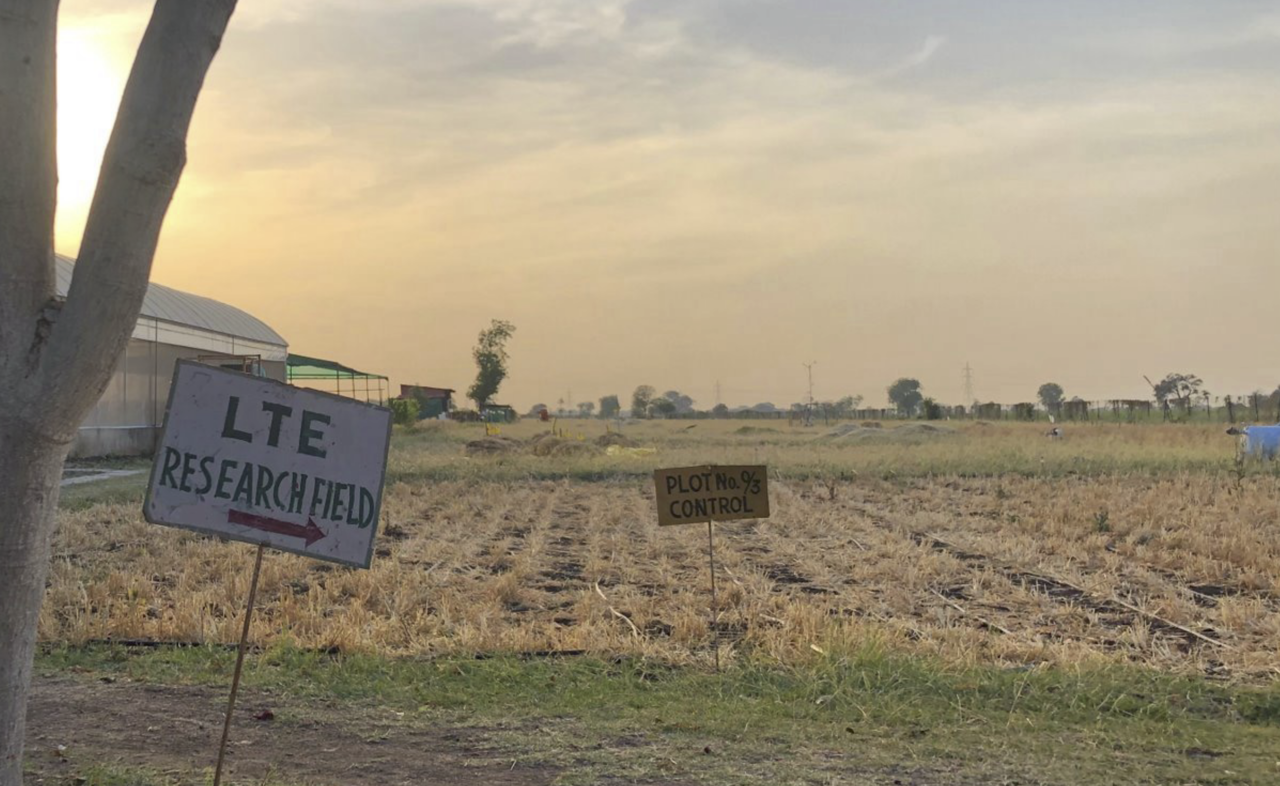
Namya Mathur conducted her Master’s thesis in Kasrawad, Madhya Pradesh, India, focusing on long term soil carbon dynamics under different farming systems. Her research was carried out in collaboration with FiBL as part of the SYSCOM long term field trial.
The study site is located in a subtropical region and compares organic and conventional cotton based farming systems established in 2007. Within this framework, she analyzed how soil organic carbon develops over time, with a particular focus on particulate and mineral associated organic matter fractions and their role in soil fertility and stability.
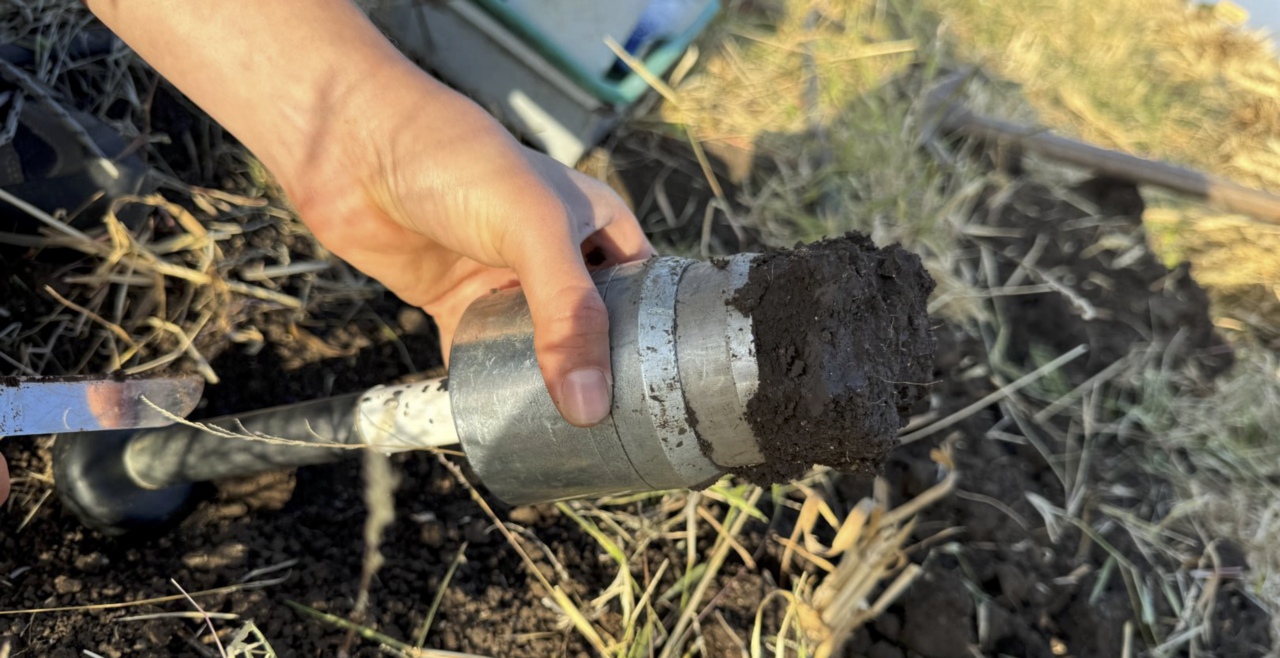
Her work combined field sampling across multiple years with laboratory analyses and spectroscopy methods to assess soil properties, carbon storage, and crop performance. The research contributes to a better understanding of how organic farming practices can enhance soil health, improve yields, and strengthen climate resilience, particularly in smallholder systems in the tropics.
The field research component of this thesis was supported through the Fiat Panis grant, enabling on site data collection and practical engagement with development oriented agricultural research in India.
2024: Anne Schlösinger in Costa Rica
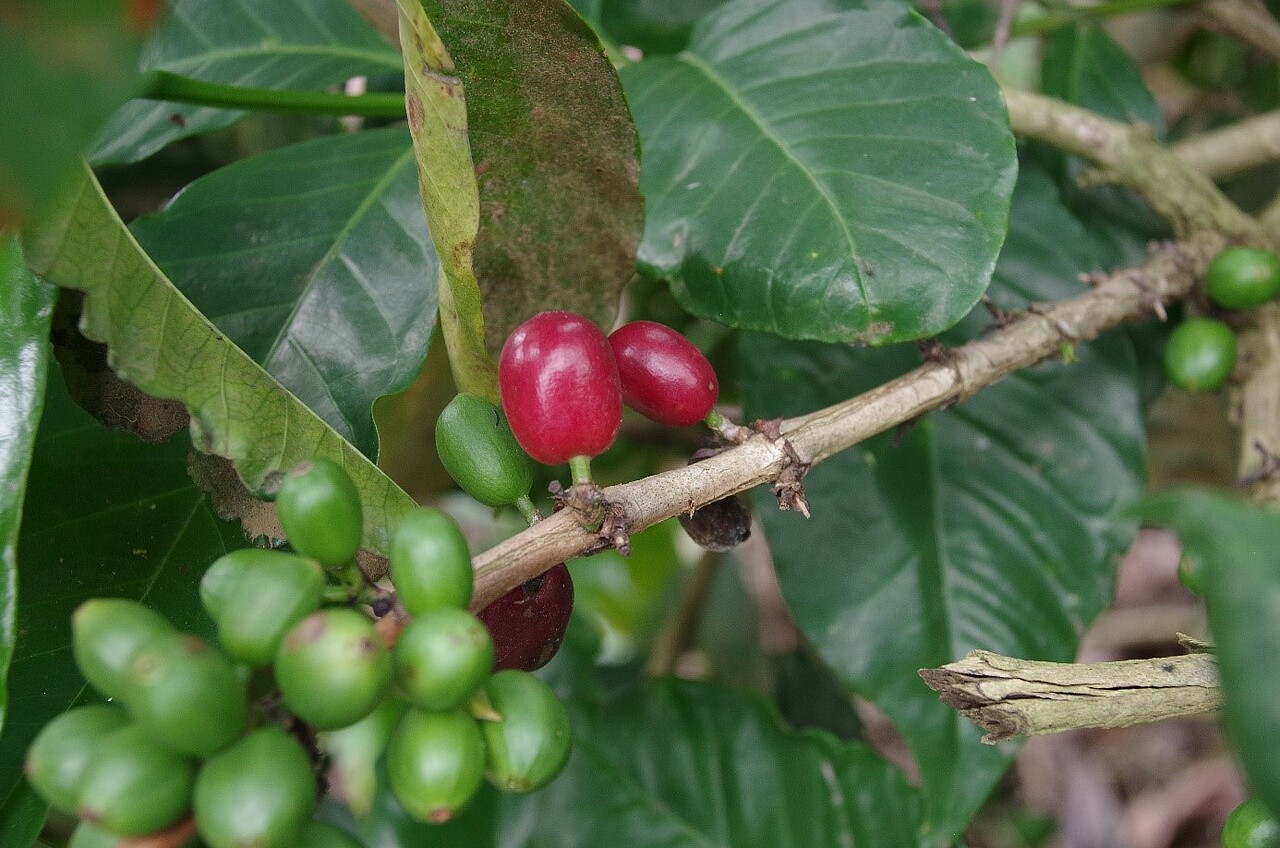
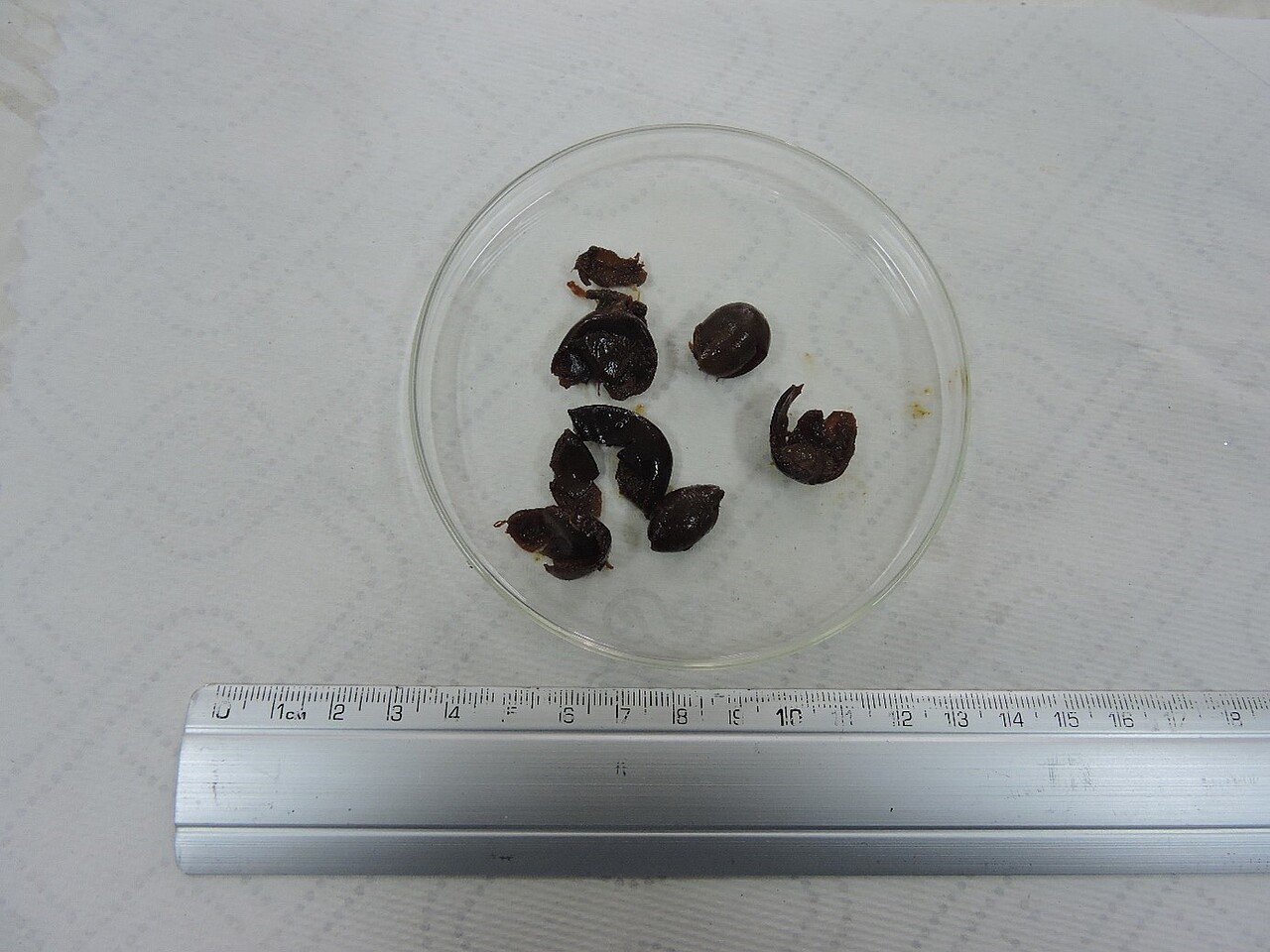
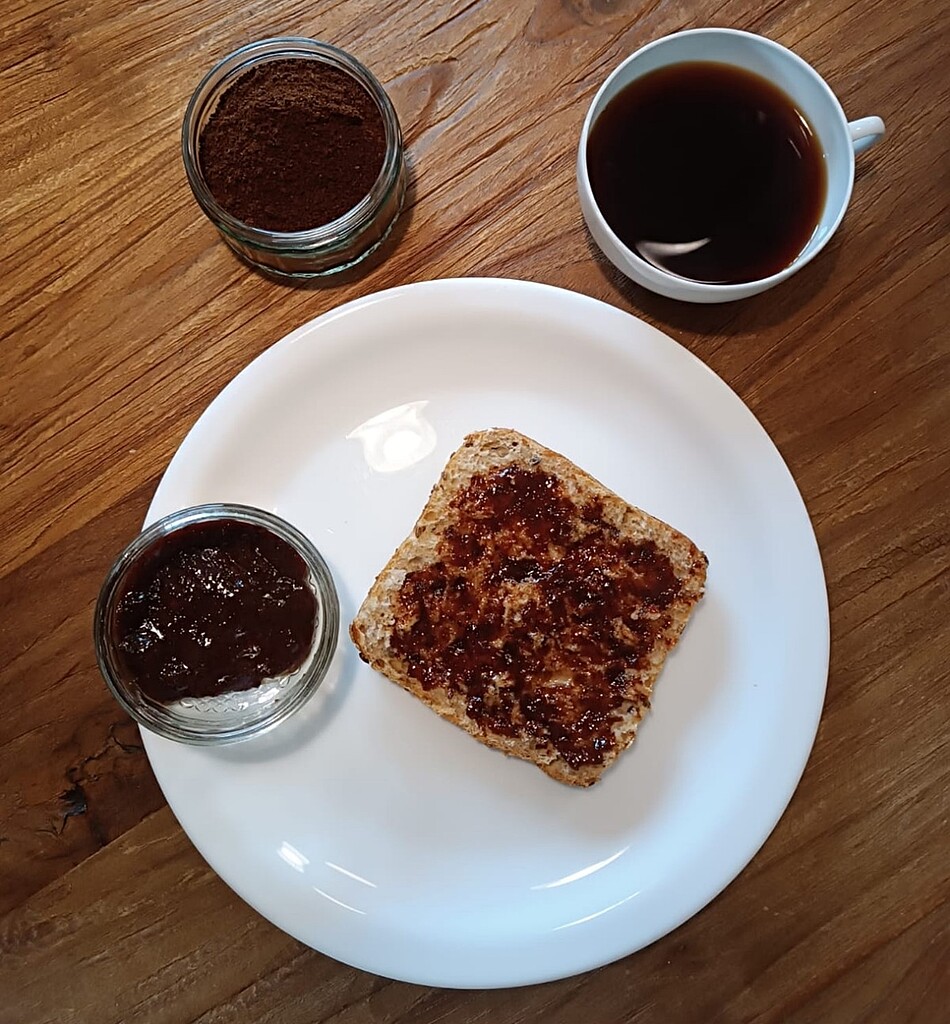
Anne conducted her Master’s thesis on the potential of transforming fresh coffee pulp, a major by-product of coffee processing, into fruit spreads for human consumption. Since a large share of the coffee cherry remains unused after the coffee beans are extracted, her research explored how this material could be turned into a value-added food product instead of being treated as waste.
The study developed different fruit spread formulations using coffee pulp, including plain versions and combinations with pectin or guava, each produced with different sugar contents. Anne evaluated their stability and nutritional composition, examining characteristics such as sugar content, dietary fiber, minerals and other components. Consumer acceptance was also assessed through a sensory evaluation of selected recipes.
The results showed that producing fruit spreads from coffee pulp is technically feasible with relatively simple processing. The high-sugar formulations achieved suitable product stability, while the versions containing less sugar would require further optimization. Among the tested products, the high-sugar coffee pulp and guava spread received the highest consumer acceptance. The developed spreads were also notable for their dietary fiber and mineral content.
By creating a food product from a material that is usually discarded, the research demonstrates opportunities to reduce waste while generating additional value from coffee production. Such products could potentially provide coffee farmers with an additional source of income while contributing to more sustainable use of agricultural resources. Further testing with local consumers and producers would be needed to evaluate their practical potential in coffee-growing regions.
2023: Esther Amankwah in Ghana
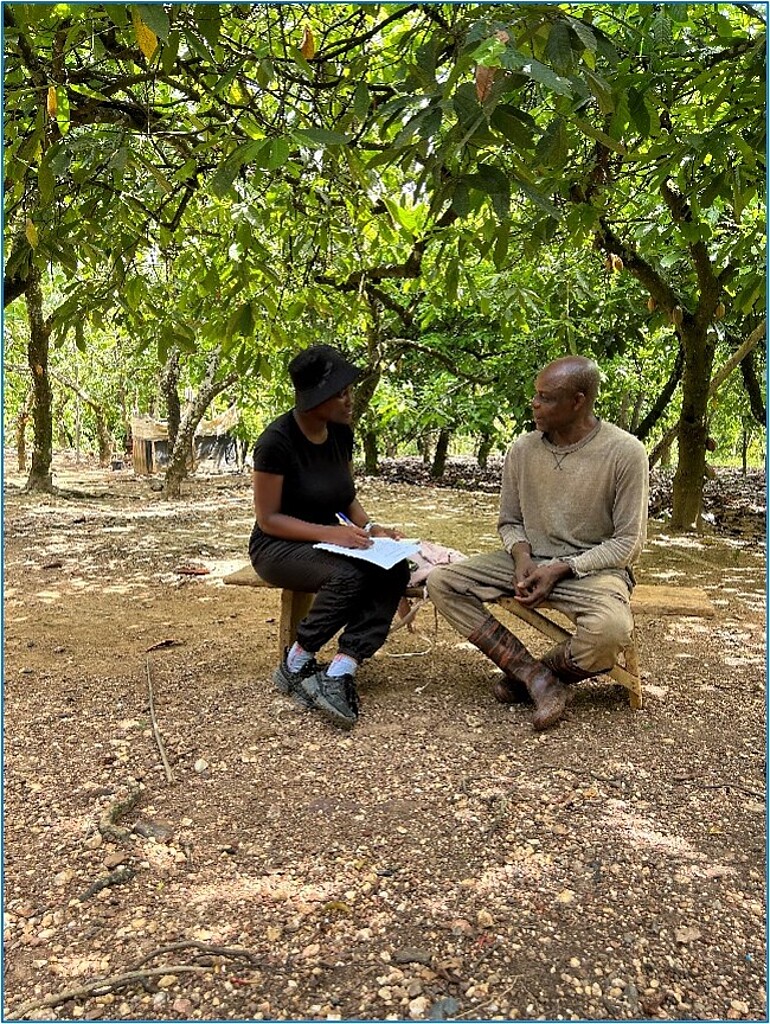
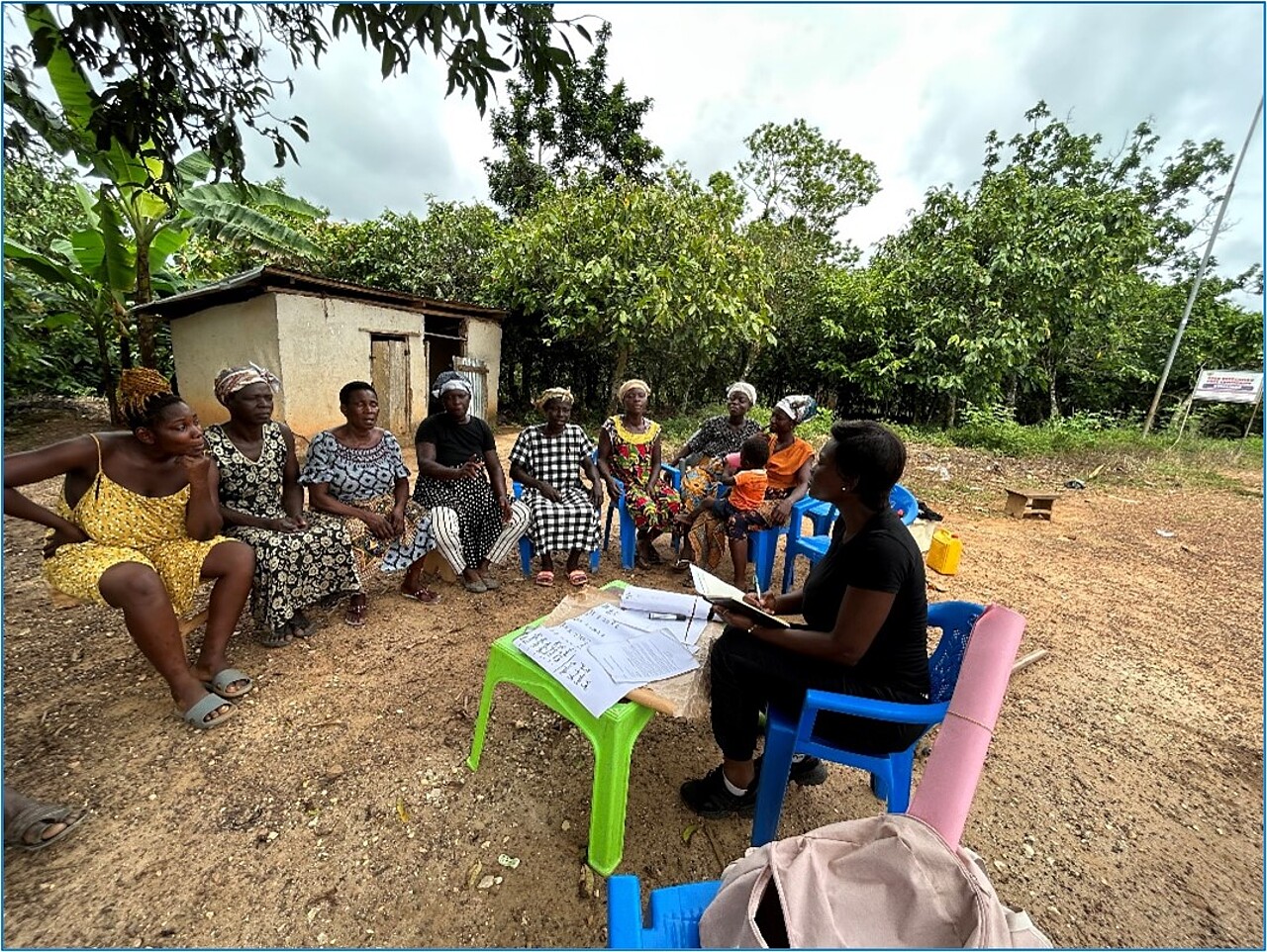
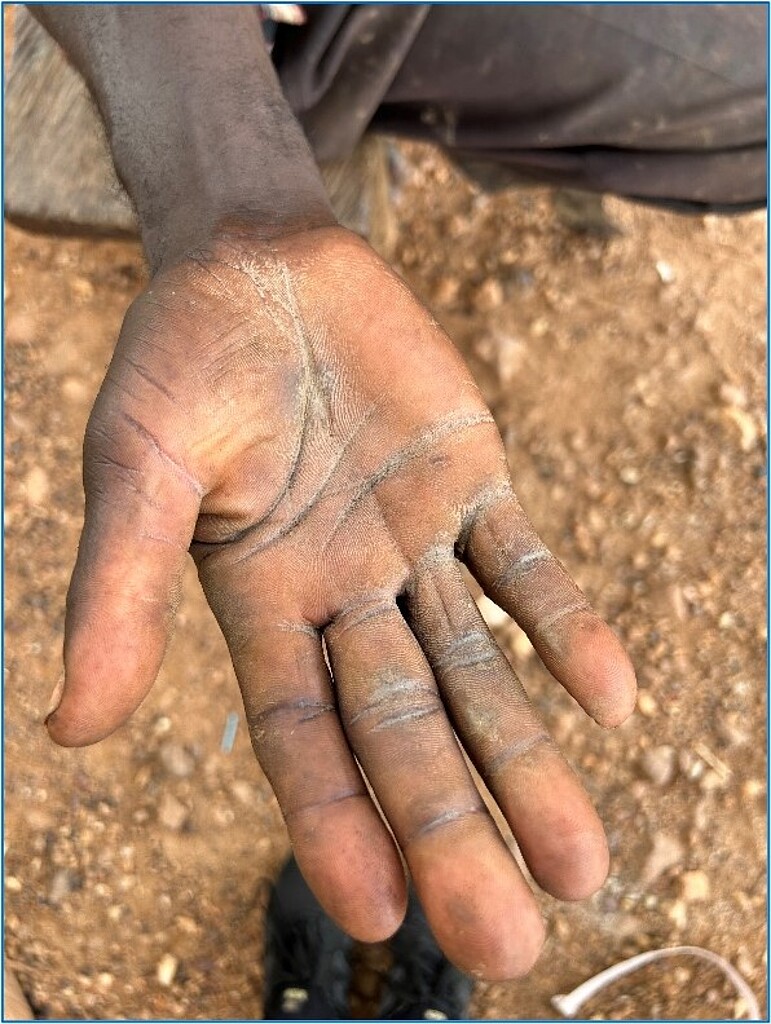
Esther conducted her Master’s thesis in Ghana, investigating how smallholder cocoa farmers experience the Living Income Differential (LID), a policy introduced by Ghana and Côte d’Ivoire to increase the price paid for cocoa and improve farmers’ incomes. Her research explored farmers’ awareness of the initiative, how higher cocoa prices affected different types of farmers, and whether these changes translated into better livelihoods.
The study was based on qualitative field research with cocoa-producing communities in the Dunkwa and Mankranso districts. Esther conducted semi-structured interviews and focus group discussions with farmers, including landowners, tenant-sharecroppers, caretaker-sharecroppers and members of farmer cooperatives. This allowed her to examine how the effects of higher cocoa prices differed between groups and how other actors within rural communities responded to these changes.
The findings showed that awareness of the Living Income Differential among farmers was limited. Although cocoa farmgate prices increased substantially, farmers did not necessarily experience the full benefit. Rising input prices, service charges and broader economic pressures reduced their gains, while some groups—particularly caretaker-sharecroppers—were more vulnerable than others. Higher cocoa prices also did not lead to major changes in farming practices or existing sharecropping agreements.
The research highlighted important links between cocoa income, access to land and household food security. Some farmers expanded cocoa production at the expense of food crops, while vulnerable sharecroppers often had limited access to additional land for food production. Esther’s work therefore emphasizes the importance of farmer participation, transparent pricing, stronger cooperatives and fairer sharecropping arrangements to ensure that initiatives aimed at increasing cocoa incomes translate into meaningful improvements in smallholder livelihoods.
Stiftung Fiat Panis
Know more about the Fundation