
2025: Philomina Asibu in Ghana and Senegal
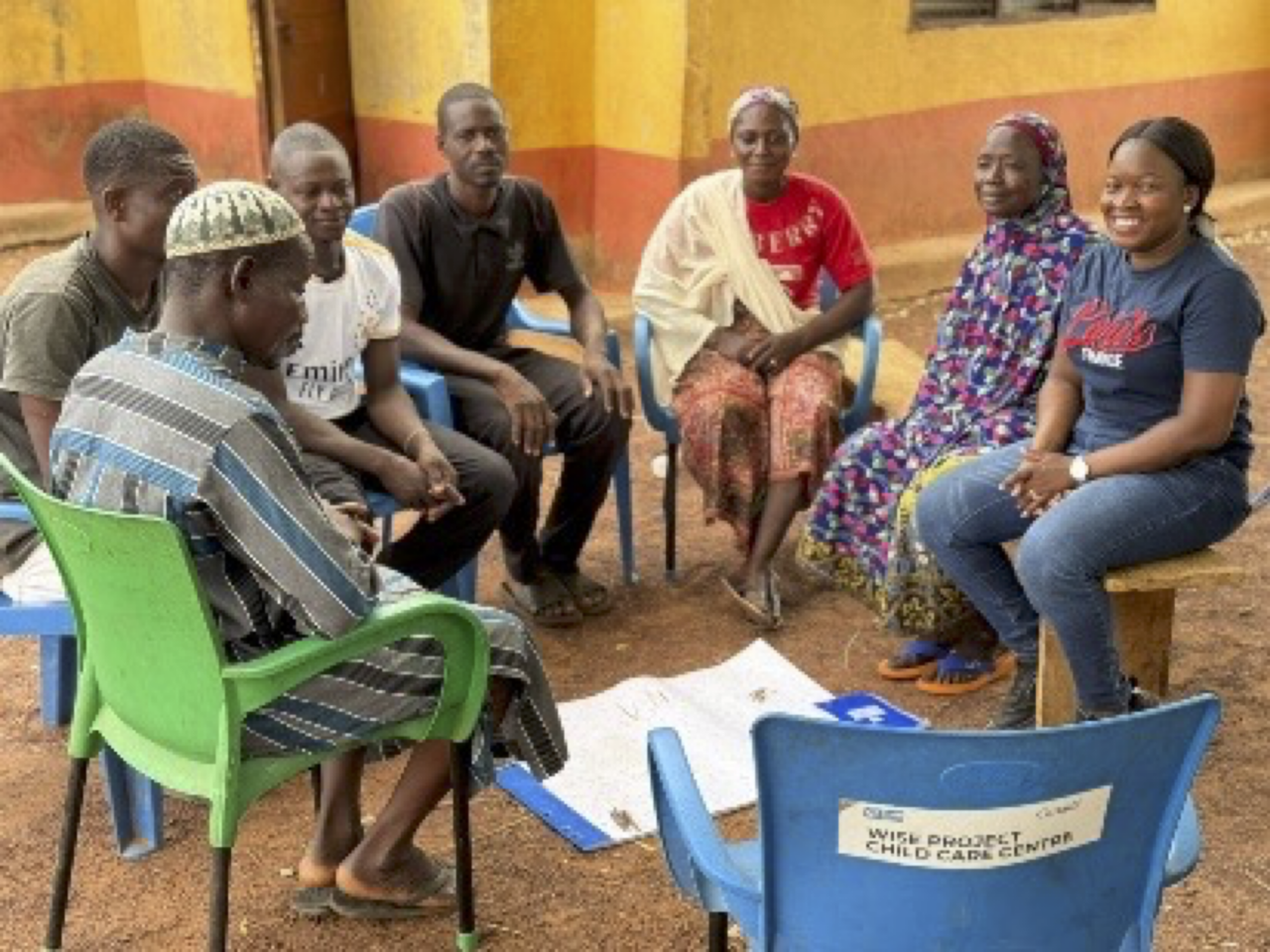
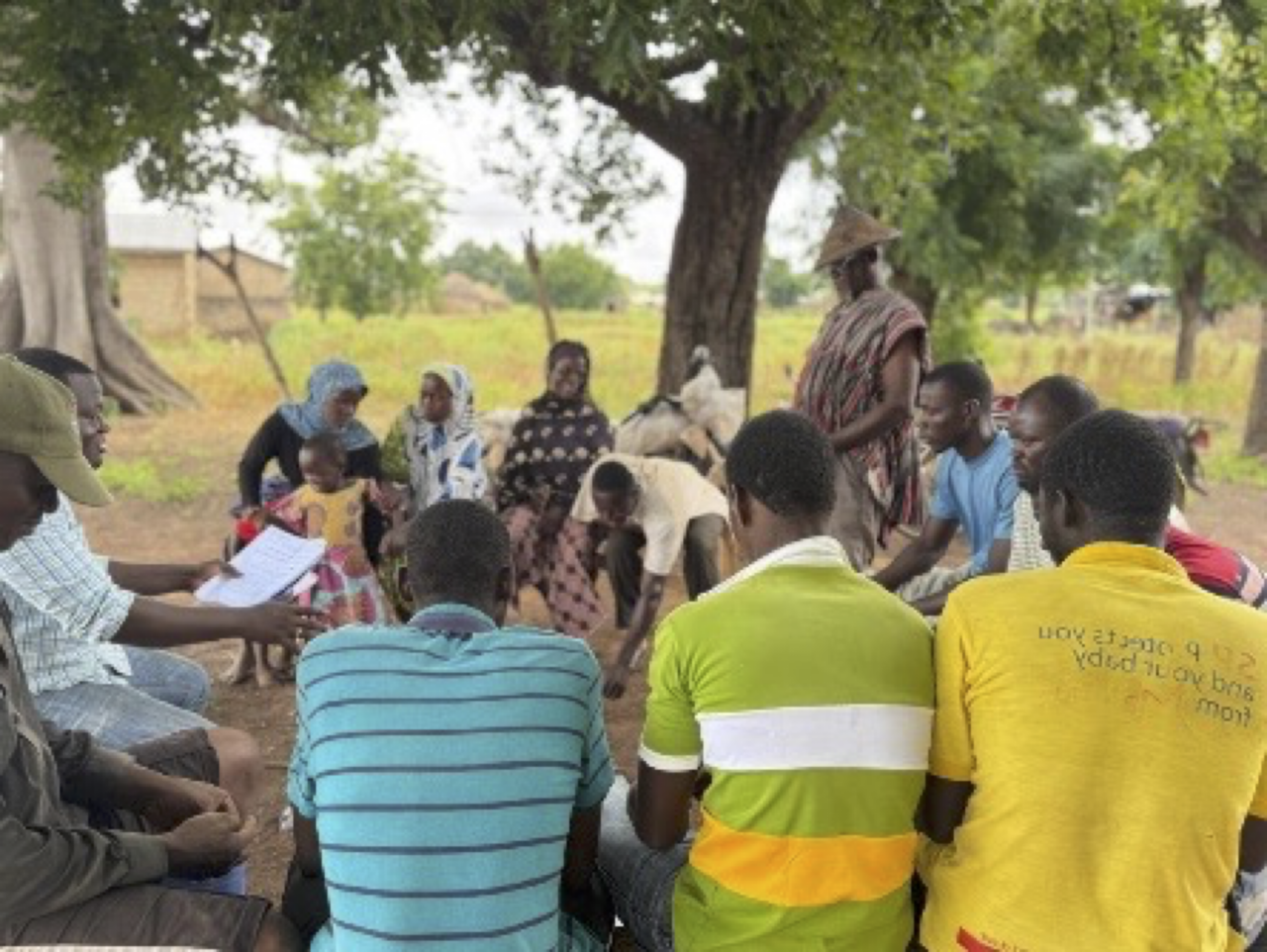
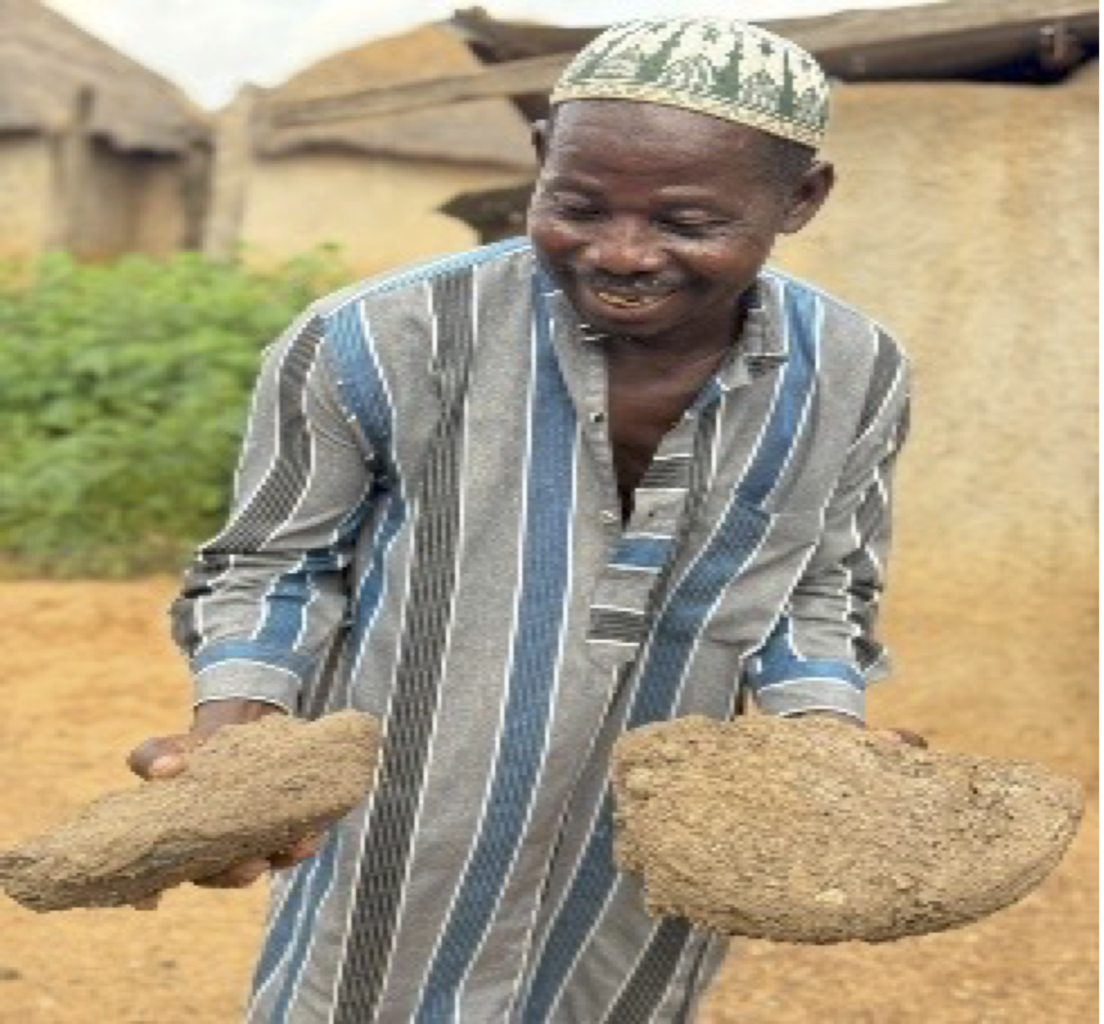
Philomina Asibu conducted her research in Ghana and Senegal, focusing on the role of advisory and innovation support services in strengthening sustainable agricultural innovation processes in West Africa. Her work examined case studies with a particular emphasis on smallholder farming systems in climate vulnerable regions.
The study analyzed how different types of Innovation Support Services, including advisory, training, financial, and organizational support, contribute to the adoption of sustainable intensification practices such as Integrated Soil Fertility Management and the System of Rice Intensification. By mapping and characterizing these services, the research explored their impact on key dimensions of food security, including food availability, access, utilization, and stability.
Her findings highlight that well coordinated support services can significantly improve agricultural productivity, soil health, and household resilience. In particular, initiatives such as village savings and loan associations and women led processing activities were shown to strengthen economic stability and enhance nutrition outcomes. At the same time, the study identified structural challenges, including limited access to resources, gender related barriers, and declining support over time, which can hinder long term impacts.
The research contributes to a better understanding of how agricultural innovation systems can be designed to support sustainable development and food security in Sub Saharan Africa. The field based components of this work were supported through the Fiat Panis grant, enabling direct engagement with development oriented research in Ghana and Senegal.
2024: Namya Mathur in Kasrawad, Madhya Pradesh, India
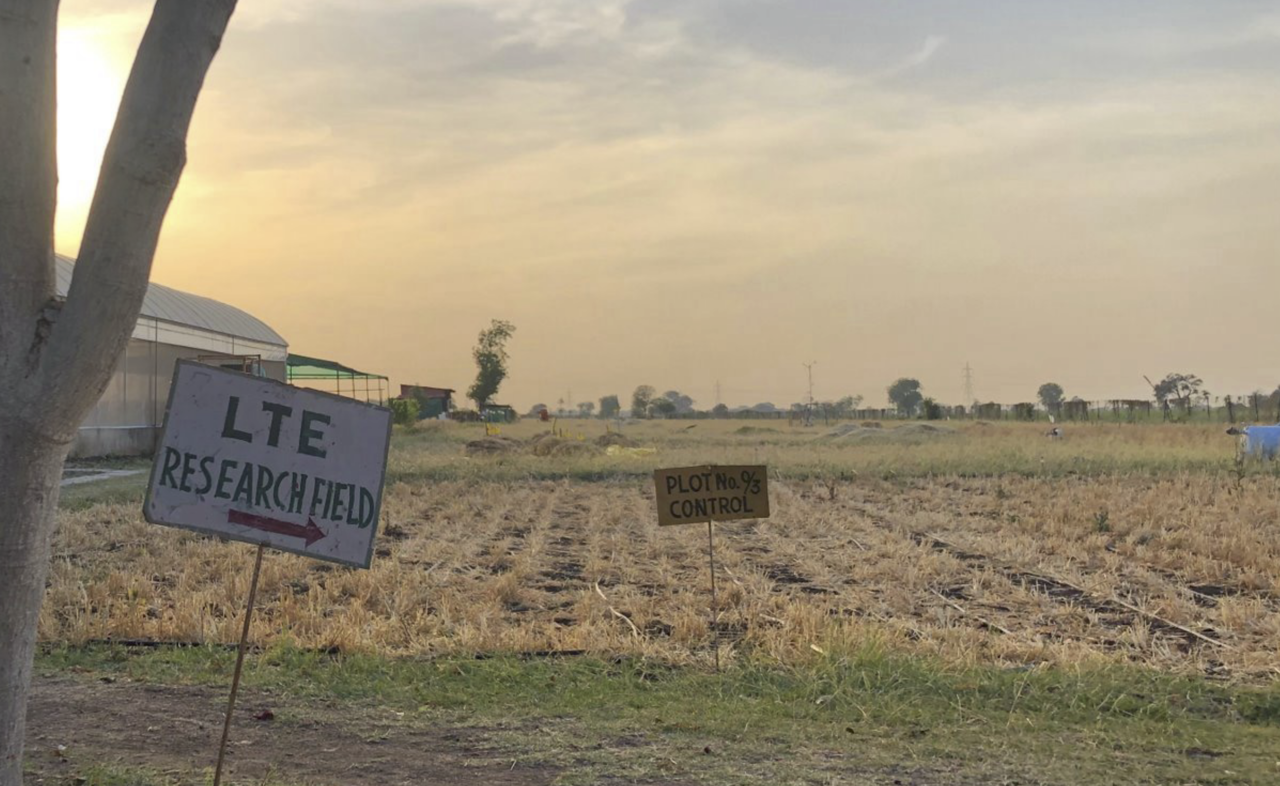
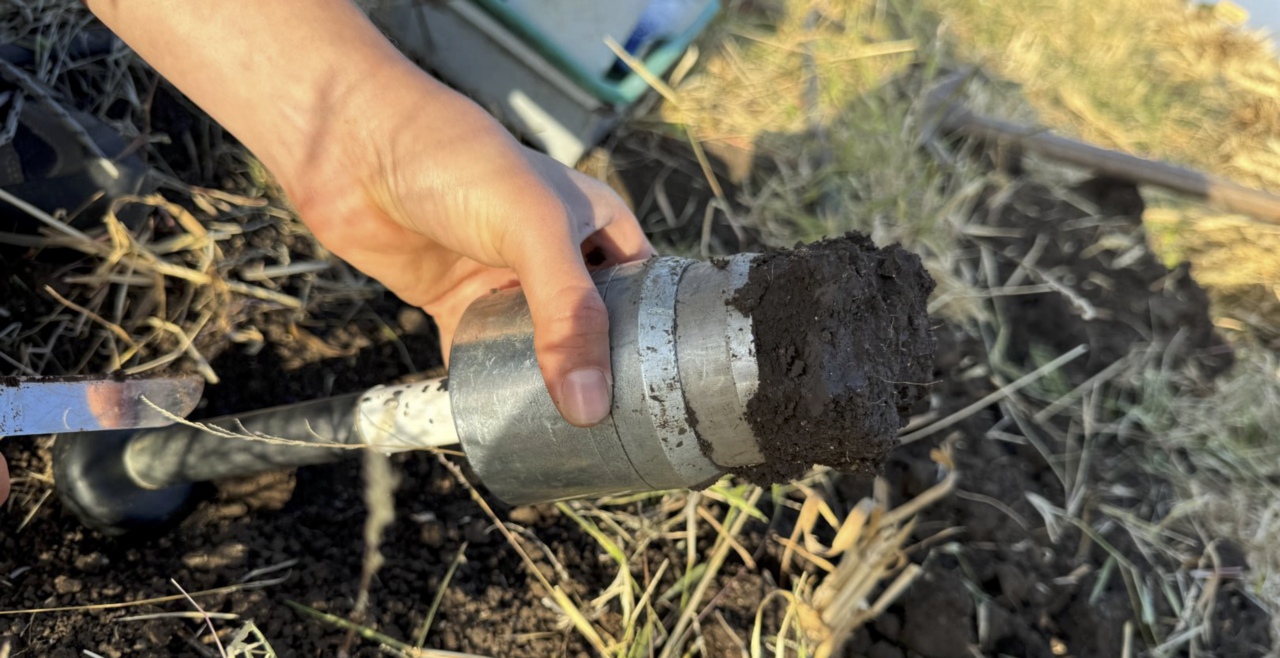
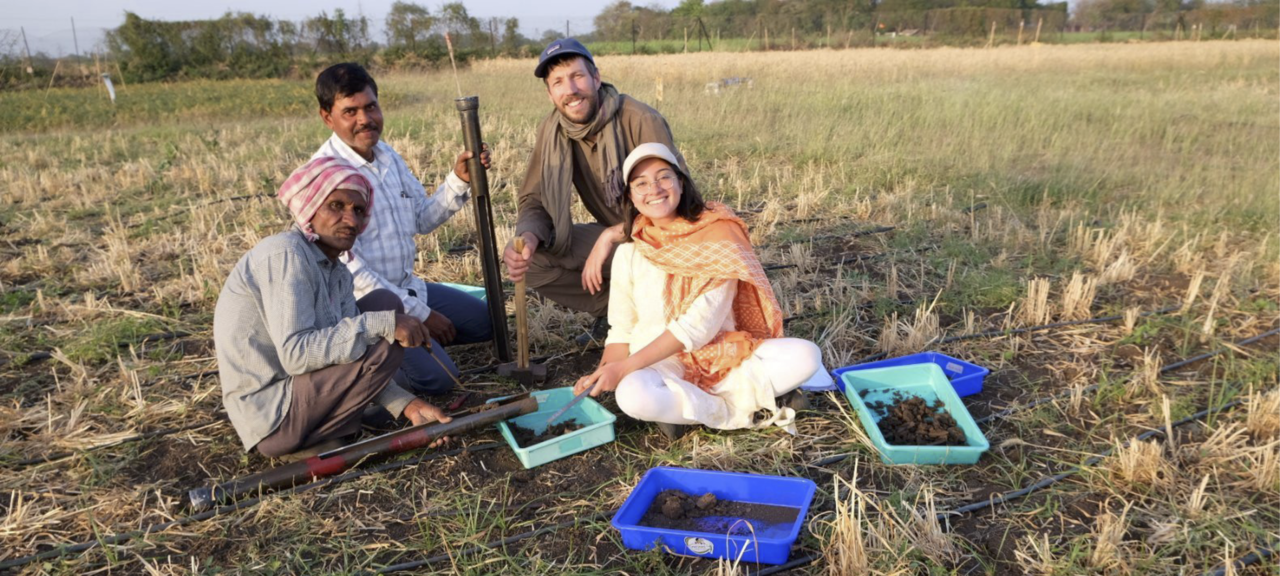
Namya Mathur conducted her Master’s thesis in Kasrawad, Madhya Pradesh, India, focusing on long term soil carbon dynamics under different farming systems. Her research was carried out in collaboration with FiBL as part of the SYSCOM long term field trial.
The study site is located in a subtropical region and compares organic and conventional cotton based farming systems established in 2007. Within this framework, she analyzed how soil organic carbon develops over time, with a particular focus on particulate and mineral associated organic matter fractions and their role in soil fertility and stability.
Her work combined field sampling across multiple years with laboratory analyses and spectroscopy methods to assess soil properties, carbon storage, and crop performance. The research contributes to a better understanding of how organic farming practices can enhance soil health, improve yields, and strengthen climate resilience, particularly in smallholder systems in the tropics.
The field research component of this thesis was supported through the Fiat Panis grant, enabling on site data collection and practical engagement with development oriented agricultural research in India.